
The psychology of risk-taking How emotions influence casino decisions
The Role of Emotion in Gambling
Emotions play a significant role in the decision-making process for gamblers. When players enter a casino, they often bring their personal emotional states with them, which can heavily influence their choices. For instance, excitement and anticipation can lead individuals to take larger risks, increasing their chances of engaging in high-stakes games. This emotional influence is not only about thrill-seeking; it also encompasses the psychological need for social validation and the rush that comes from winning. One useful resource for fans and players alike is the comprehensive overview found at https://www.quickread.co.za/sa-womens-cricket-team-2026-schedule-squad-fixtures/, which illustrates how emotional engagement can mirror that of athletes.

Moreover, negative emotions such as frustration or sadness can lead players to make poor decisions. When feeling down, a gambler might chase losses in hopes of a turnaround, often leading to deeper financial troubles. This phenomenon is known as “emotional gambling,” where individuals use gambling as a means to escape or cope with negative feelings, ultimately exacerbating their situation.
Cognitive Dissonance and Gambling Choices
Cognitive dissonance is a psychological theory that explains the discomfort individuals feel when their beliefs and actions are misaligned. In the context of gambling, players may justify risky decisions, such as betting larger amounts than intended, to reconcile their desire for a win with the reality of potential loss. This internal conflict often leads to further risk-taking, as players rationalize their actions to maintain a positive self-image.
This need for justification can also manifest through the influence of others in a casino environment. Observing peers winning can exacerbate the cognitive dissonance, encouraging individuals to take on more risk than they would if they were alone. Therefore, the social setting of casinos can create a collective mindset that further amplifies the propensity for risk-taking.
The Impact of Sound and Environment
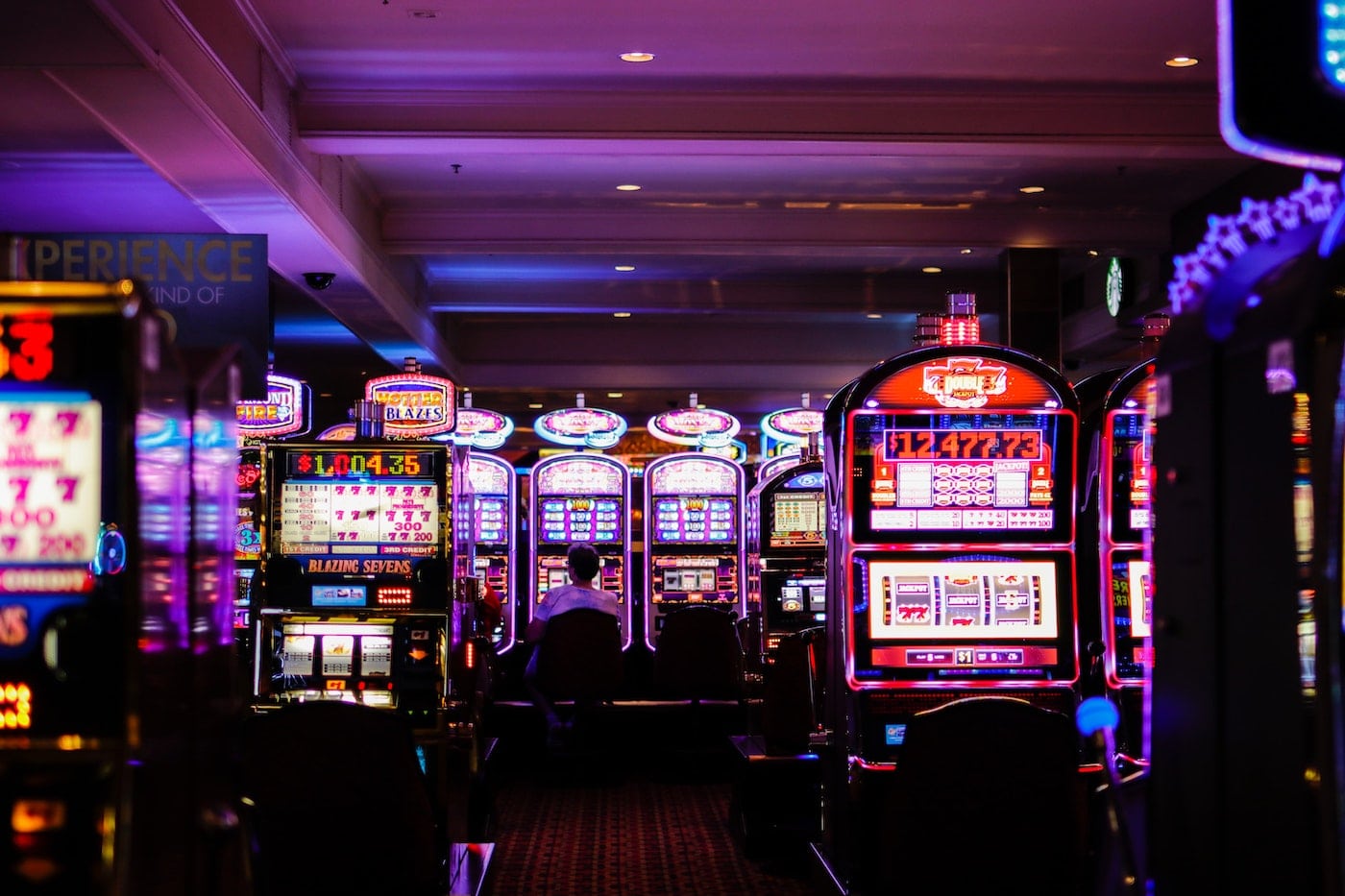
The casino environment is meticulously designed to influence emotions and behaviors. The sounds of ringing coins, celebratory music, and the lively atmosphere can elicit feelings of excitement and happiness. These stimuli are carefully curated to enhance the gambling experience and encourage players to take risks. The more intense the emotional response, the more likely individuals are to place bets impulsively, often leading to unplanned expenditures.
Additionally, the ambiance of casinos can create a sense of urgency and encourage players to engage with the machines and games around them. This heightened state of arousal can cloud judgment and contribute to impulsive decision-making, resulting in higher risk-taking behaviors. Understanding how these environmental factors affect emotions can help individuals make more informed decisions while gambling.
The Psychology of Loss and Risk Aversion
Loss aversion is a concept within behavioral economics that suggests individuals are more motivated to avoid losses than to pursue equivalent gains. This principle is particularly evident in gambling, where the fear of losing can drive players to make conservative choices. However, this fear can also lead to greater risk-taking, especially when players are on a losing streak and desperate to regain their losses.
Players may adopt various strategies to cope with loss, from changing their betting approach to increasing their stakes in hopes of recovering lost funds. This psychological push and pull creates a volatile relationship between loss and risk, where the emotional weight of losing can encourage riskier behavior as players try to recover their lost capital.
Understanding Casino Choices Through Psychology
Understanding the psychology behind casino decisions can empower gamblers to make more informed choices. By recognizing how emotions influence behavior, players can develop strategies to manage their feelings and mitigate impulsive actions. Awareness of emotional triggers and cognitive biases can lead to a more balanced approach to gambling.
This website is dedicated to exploring these psychological insights further, providing resources and information that can help individuals navigate the complex world of gambling. By fostering a deeper understanding of the interplay between emotions and risk-taking, we aim to promote responsible gambling practices and enhance the overall gaming experience.
