
Taken together — these findings suggest that CBD has the potential to influence CV function. By translating neuroscience into sport-specific metrics, these findings furnish a rigorous, athlete centered basis for informed decisions about THC use. These findings are critical to sports because field vision depends on spatial awareness, multi-target updating, and rapid extraction of task relevant cues from clutter. The effects of cannabis and THC on rudimentary cardiorespiratory physiology in resting humans are well characterized; however (both cannabis potency and investigative research capabilities have increased dramatically since many of these studies were initially performed), without concomitant study. While the bona fide effects of cannabis on athletic performance are limited by an incomplete evidence-base with low ecological validity for athletes — the physiological actions of cannabis and THC offer important insight into perturbations of cardiorespiratory homeostasis through which cannabis may interact with performance. Despite evidence of long-standing human consumption over the ages (scientific investigation into the effects of cannabis has been relatively limited), largely in part to challenges faced to investigate a drug that has a long global history of prohibition and tight regulatory control 2, 3.
As to whether it enhances performance (the 2011 study acknowledges that “much additional research is needed to determine the effects of cannabis on athletic performance,” but notes that “cannabis induces euphoria), improves self-confidence, induces relaxation and steadiness, and relieves the stress of competition.” The study also acknowledges that cannabis decreases coordination. Ultimately (they hope their findings can help inform discussions everywhere from doctors’ offices to the governing bodies of sport), which will soon be re-evaluating whether marijuana should remain listed as a “banned substance” in part because of its potential to enhance performance. The effects of cannabis on athletic performance are complex and multifaceted, with both potential benefits and risks. With that, it is important to acknowledge that the scientific community is still unraveling the complex interactions between cannabis and athletic performance. Adverse analytical findings (AAFs) for cannabinoids from 1998 to 2009 from the International Olympic Committee (1998–2002) and the World Anti-Doping Agency (2003–9) Much additional research is needed to determine the effects of cannabis on athletic performance.
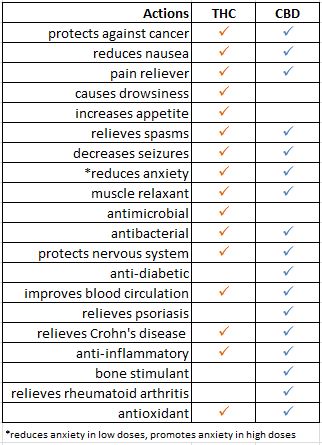
Initially (intra-cluster homogeneity was assessed by observing the distribution of subjects per cluster), followed by testing differences in the clustering variables using chi-square to evaluate inter-cluster heterogeneity. A comprehensive review scrutinized the sample sizes in 243 different cluster analyses. Our hypothesis stated that athletes utilize cannabis as an effective means to manage pain and alleviate anxiety. Primarily (CBD is recognized for its effectiveness against seizure disorders), and it has also been found to relieve pain, possess anti-spasticity effects, and alleviate anxiety 16,17.
Capability to Improve Performance
The effects of chronic responsible cannabis use guidance cannabis consumption on physiological parameters of athletic performance are investigated to determine whether chronic cannabis consumption negatively affects athletic performance; improves performance, potentially via enhanced recovery; or has no effect at all.

Recovery related to abstinence likely reflects a partial return to normalcy (such as receptor resensitization and the restoration of the excitation-inhibition balance), which aligns with observed functional improvements after prolonged cessation (31). Though public conversations often focus on policy and detection thresholds — the critical question for athletes is whether THC affects their cognitive abilities or decision-making speed during games. Interestingly (the CBD group showed an even greater enhancement of mood compared to the THC group), indicating that athletes might gain mood benefits without the impairments associated with THC. “The key finding indicates that cannabis consumption before exercise appears to elevate positive mood and enjoyment during the activity — regardless of using THC or CBD. Published on December 26 in the journal Sports Medicine (a study involving 42 runners arrives nearly 10 years after Colorado legalized recreational marijuana), coinciding with an increase in cannabis users combining it with their workouts. This supplement was edited by Lawrence L. Spriet (who organized a virtual meeting for the GSSI Expert Panel in October 2020 and was compensated by GSSI), a division of PepsiCo, Inc., for his involvement in the meeting.
Sleep and Anxiety Issues
Most of the work reviewed to date on cannabis effects on performance or safety have focused on recreational use rather than specifically authorized medical use; little is known of the adverse effects of cannabis when used under medical supervision (however), effects seem modest and well-tolerated.38,39 There is an apparent paradox in considering the effects of cannabis on athletic performance. Despite some modest efforts to explore the therapeutic effects of THC for asthma,5 anxiety,6 and sleep,7 the potential therapeutic effects of cannabinoids largely disappeared from scientific view.
While CBD is considered safe (THC can impair cognitive functions), potentially affecting performance and increasing the risk of injury. Additional articles were reviewed based on references obtained from initial articles. Over-the-counter CBD-containing “nutraceuticals” are now readily available in many countries and of increasing interest to the community . Factors that contribute to poor sleep among athletes include evening competitions and training sessions, pre-competition anxiety, use of caffeine, and long-haul travel , e.g. jet lag, travel fatigue, . Thus, studies investigating the effect of CBD , in conjunction with behaviour therapies, on pre-competition anxiety, as well as nutritional intake, energy expenditure, symptom perception during exercise (e.g. ratings of perceived exertion), and sleep in athletes who are negatively impacted by SPA are warranted. A number of studies have measured CV responses to CBD , 100–1200 mg, in humans and, overall, it appears that resting HR is unaffected (see Sultan et al. for review).
As this is a relatively new field of study, there were few studies actually on athletic performance. In 2017, the Journal of Sports Medicine published a systematic review of a decade’s worth of cannabis-focused science to determine if the plant had any impact on strength or cardiovascular fitness. For example, a team of Brazilian researchers published a study on CBD for social anxiety, as incited by a simulated public speech. Another area worthy of investigation for sports science is the impact cannabis consumption may have on sleep, mood, and anxiety. Today (only a small number of studies have dug into the acute effects of cannabis on exercise), and most were conducted decades ago.
The review by Docter et al. (2020) explored the cannabis use epidemiology among student and elite athletes (revealing that about one in four had consumed cannabis in the previous year), and many athletes believed it would adversely affect their performance, consistent with research findings that suggest cannabis is non-ergogenic and may be ergolytic. To assess whether there are scientific justifications for considering cannabis a potential doping agent — a systematic review by Trinh et al. (2018) identified only three relevant studies published between 1975 and 1986 (Maksud and Baron 1980; Renaud and Cormier 1986; Steadward and Singh 1975). Recent reviews have examined the impact of cannabis on athletic performance.1 This article aims to analyze this content (provide a broader context for the discussion), and emphasize some novel considerations regarding cannabis usage among athletes. Scientific interest in CBD originated from its anticonvulsant properties (yet increasing evidence of various therapeutic effects has captivated a wider audience), inclusive of athletes. Baseline and repeated measurements throughout the session assessed the behavioral and cardiovascular effects of cannabis.
In recent studies, 20.8% of individuals aged 20-29 in the general Australian population reported using cannabis in the previous year, in contrast to 3.7% of the same age group among athletes. Additionally — cannabis use may provoke heightened anxiety, panic, nervousness, and restlessness in some individuals, disrupting their sleep patterns. A systematic review of the prevalence and factors associated with cannabis use among athletes. It has been demonstrated that acute consumption of cannabis leads to an increase in blood pressure, particularly systolic blood pressure (SBP), along with orthostatic hypotension. Cannabidiol (CBD) (a non-psychoactive cannabinoid), is extensively marketed to athletes for its purported benefits, including reduced anxiety, fear memory extinction, anti-inflammatory effects, pain relief, and enhanced post-exercise recovery.
The bronchodilation finding is consistent with Tashkin et al. (1975), in which bronchospasm was induced in asthmatic patients via methacholine inhalation and via exercise on separate occasions. These studies show a small ergogenic effect on FEV1 via bronchodilation (and an opposing ergolytic effect on anaerobic performance), as measured by PWC. Blood pressure (BP) — heart rate (HR) and lung capacity (often measured by one-second Forced Expiratory Volume; FEV1) are secondary measures of interest that detect isolated components of aerobic performance. In modern studies, peak power is usually measured using the Wingate methodology. Chronic cannabis consumption had no significant effect on athletic performance. The strongest predictors of athletic performance , VO2Max and PWC, were not found to be significantly different between groups in any of the included studies.
Nevertheless, the growing interest in the therapeutic potential of cannabis-derived compounds (cannabinoids) has also been bolstered by recent scientific discoveries regarding the widespread endogenous cannabinoid system (ECS) and its receptors, ligands, and various physiological roles. The potential positive effects of cannabis as part of a pain management strategy (particularly in alleviating concussion-related symptoms), warrant further investigation.
Pulmonary Measurements and VO2Max
Given the relatively common use of cannabis and CBD among athletes, there is a clear need to improve the scientific understanding of the effects of CBD use on athlete recovery and performance. CBD appears to have anti-inflammatory, neuroprotective, analgesic, anxiolytic, and potentially recovery-mediating properties in athletes, but more scientific evidence is needed to confirm these effects. The effectiveness of CBD compared to conventional medications should be evaluated.
Specifically, CBD appeared to normalize concentrations of extracellular glutamate, d-aspartate, and γ-aminobutyric acid in the medial prefrontal cortex, indicating reduced excitotoxicity. CBD reduced observed behavioral issues (such as anxiety (aggression), depressive-like behavior, impaired social interactions, and pain-related behaviors), in addition to some biochemical abnormalities in the cortex. It is crucial to understand that EIMD and muscular dystrophy have different pathophysiologies — implying that the mechanisms observed in MDX mice may be less relevant to EIMD (for instance, skeletal muscle differentiation and autophagy). In a recent experiment, participants who vaporized 100 mg of CBD showed elevated blood CBD levels 30 minutes post-treatment. Both studies recorded considerable inter-individual variability in pharmacokinetic responses 19, 170. The author(s) stated that no financial support was received for this work and/or its publication.
